We wish to improve and upgrade our site in Alness, with a new building that can see us through winter and improve and extend our community garden to make it accessible for everyone in the area.
Estimated Cost
£70,000
Full Project Details & Description
1. What do you want to do?
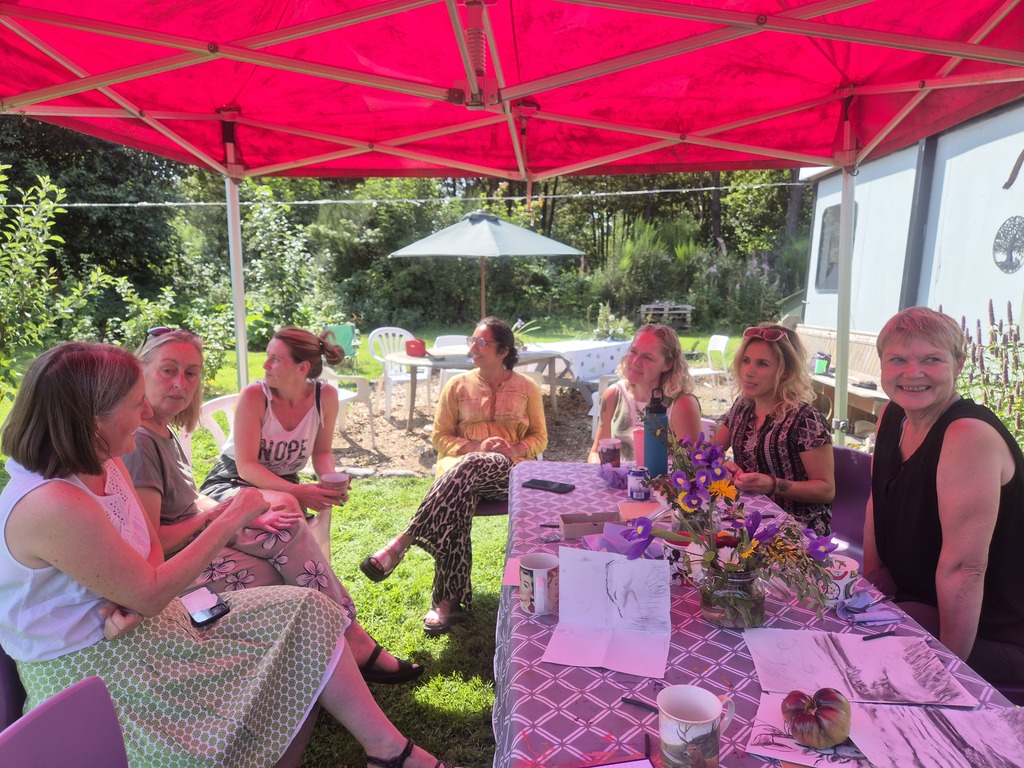
Flip of the Coin CIC is seeking funding to continue and strengthen The Flipside, our trauma-informed community wellbeing programme in Easter Ross. Working from our community garden and outdoor learning space, we support people experiencing poverty, social isolation, poor mental health, trauma, long-term health conditions and barriers to participation.
The Flipside has grown rapidly into a trusted community wellbeing hub, supporting over 250 people since January 2025 through creative, nature-based and trauma-informed activities. As referrals and attendance continue to increase, our current infrastructure is no longer sufficient to meet demand.
A key element of this project is the development of a permanent community studio space at The Flipside. While our outdoor spaces and yurt have enabled us to establish a successful programme, they limit the number of people we can safely accommodate and restrict delivery during the winter months and periods of poor weather.
The proposed studio will provide a warm, accessible and welcoming environment where participants can engage in creative activities, wellbeing sessions, peer support and one-to-one interventions throughout the year. It will create a safe, non-clinical space for people who often struggle to access traditional services and will ensure continuity of support during periods when outdoor activities are not possible.
The studio will also enable us to expand our programme, reduce waiting lists, increase accessibility for people with mobility or health challenges and strengthen opportunities for volunteering, peer mentoring and community-led activity. Participants will be actively involved in shaping and developing the space, creating a facility that reflects community needs and encourages a sense of ownership and belonging.
More than simply a building, the studio will be a permanent community asset: a place where people experiencing poverty, isolation and poor mental health can find connection, creativity, practical support and hope. It will provide the infrastructure needed to sustain and grow a proven programme that is already making a significant difference across our community.
Funding will enable us to continue delivering regular creative and nature-based group sessions, including arts and crafts, gardening, environmental activities, wellbeing workshops and peer support opportunities. Alongside these sessions, we will provide one-to-one wellbeing support, confidence building, life coaching and supported introductions for people who find it difficult to access new environments or engage with traditional services.
We will continue to develop volunteering and peer-support pathways, enabling participants to build skills, confidence and experience while contributing positively to their community. Funding will also help us remove barriers to participation by providing transport assistance, flexible delivery and practical support for people facing financial hardship or rural isolation.
As demand continues to grow, we also need to develop a larger, warm and accessible indoor space on site. While our outdoor spaces and temporary structures have enabled us to support hundreds of people, they are no longer sufficient for the numbers attending. A permanent indoor building will allow us to provide year-round support, particularly during the winter months when isolation and mental health challenges can become more acute.
Funding will contribute towards staffing, facilitator fees, volunteer training, creative and gardening materials, transport support and the ongoing development of our community space.
2. Why is your project important for your community?
Across the Highlands, many people face a combination of poverty, loneliness, poor mental health and limited access to support. Rural communities often experience additional challenges, including transport barriers, reduced service provision and fewer opportunities for social connection.
Many of the people who come to The Flipside have become disconnected from their communities. Some have experienced trauma, long-term illness, caring responsibilities, addiction, unemployment or financial hardship. Others have lost confidence following difficult life experiences and no longer feel able to access mainstream services or community activities.
The Flipside provides a welcoming, non-clinical space where people can reconnect with others, rebuild confidence and improve their wellbeing at their own pace. We understand that trust takes time. Some participants require months of gentle support before they feel able to attend for the first time. Once they arrive, they find a community where they are accepted, valued and supported.
Since January 2025, we have worked with more than 250 people and continue to receive referrals from GPs, social prescribing teams, mental health services, recovery organisations and community partners. The continued growth in referrals demonstrates both the need for this work and the trust that local services place in our approach.
This project aligns strongly with the Highland Council Areas Place Plan by improving mental health and wellbeing, reducing rural isolation, supporting vulnerable residents and strengthening community resilience. By providing accessible, community-led support, we help people participate more fully in community life while creating opportunities for connection, volunteering and peer leadership.
3. What positive impact will your project have?
The project will create lasting benefits for both participants and the wider community.
People attending The Flipside will experience improved wellbeing, increased confidence and stronger social connections. Through regular participation in creative and nature-based activities, participants will have opportunities to reduce stress, improve their mental health and develop practical skills. Many will build new friendships and become part of supportive peer networks that continue beyond individual sessions.
For people who have experienced long periods of isolation, simply attending regularly can be transformative. We frequently see participants move from feeling disconnected and lacking confidence to becoming active members of the community. Some go on to volunteer, support new participants and take on leadership roles within the project.
The wider community benefits from stronger social connections, increased volunteering and improved community cohesion. By providing early intervention and preventative support, the project also helps reduce pressure on health and social care services. Over time, we expect to see increased community participation, improved resilience and a growing network of people supporting one another.
The project will contribute to a healthier, more connected community where people feel they belong and where support is available before challenges reach crisis point.
4. What key milestones have you achieved so far and what are your next steps?
We have already demonstrated significant demand for and commitment to this work.
Community engagement has been clearly evidenced through our work with more than 250 individuals since January 2025. We have established strong relationships with health, social care and third-sector partners, many of whom actively refer people into our programme.
A detailed project plan, delivery model and business case have been developed, outlining participant pathways, staffing requirements, programme delivery and evaluation methods. This planning has also identified the need for expanded indoor facilities to support increasing attendance and year-round activity.
All necessary operational arrangements are in place, including safeguarding procedures, risk assessments, insurance cover and health and safety processes.
Quotes have been obtained for staffing, materials, transport support, equipment and infrastructure development, allowing us to accurately forecast project costs.
Funding applications have been submitted as part of our wider sustainability strategy, enabling us to secure long-term investment and continue building organisational capacity.
Our next steps are to recruit and train additional volunteers and peer mentors, expand our programme of activities, strengthen our monitoring and evaluation processes, develop partnerships with local organisations and progress plans for a larger indoor community building that can meet future demand.
5. What is your anticipated start date and end date?
Start Date: April 2027
End Date: March 2028
The project will operate throughout this twelve-month period, providing consistent, year-round support for participants while continuing to build community capacity, strengthen partnerships and develop long-term sustainability.
.png)
Most voted