To transform the Old Schoolhouse into a sustainable community hub with heritage, enterprise, accommodation and flexible spaces serving local people and visitors year-round.
Estimated Cost
£575,000
Full Project Details & Description
1. What do you want to do?
The Wester Loch Ewe Trust seeks funding to deliver Phase 2 of the redevelopment of the Old Schoolhouse in Inverasdale.
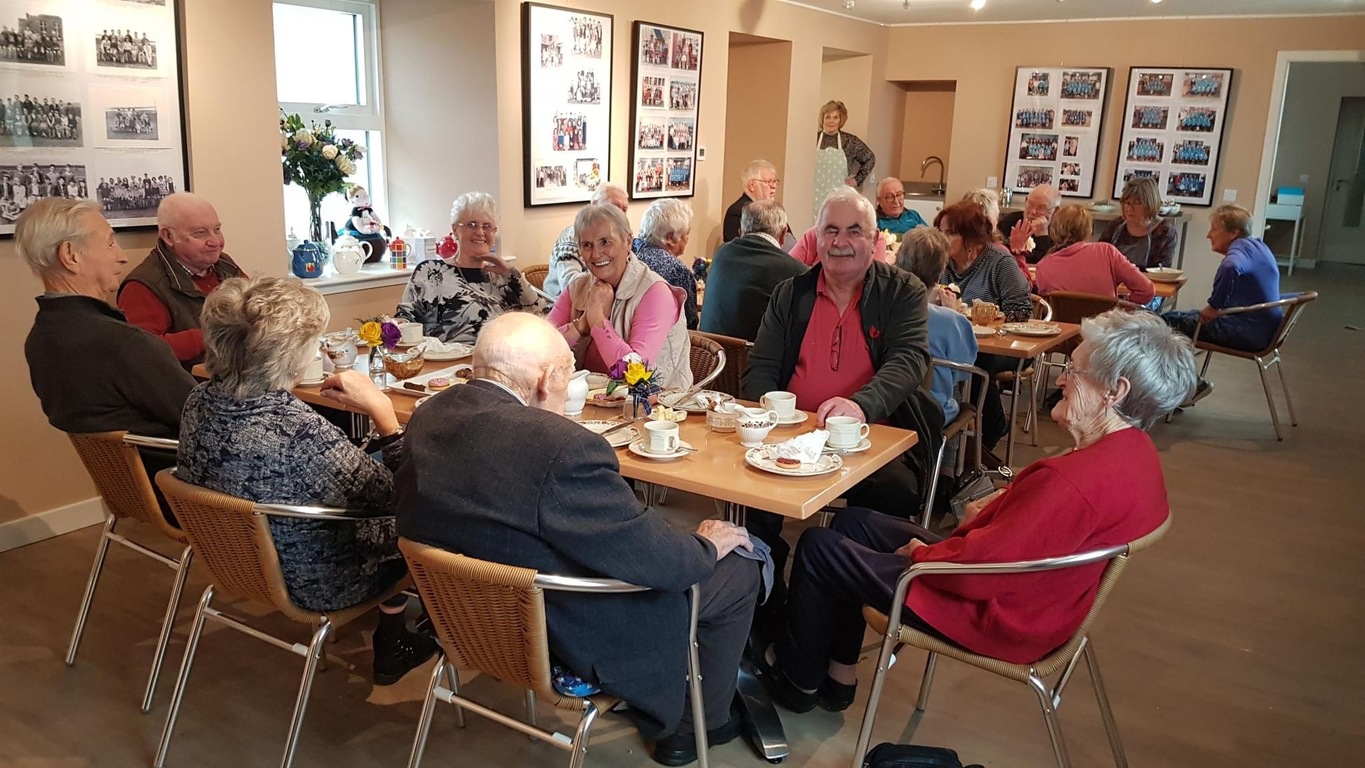
Following the success of Phase 1, which transformed part of the former primary school into a thriving community tearoom, commercial kitchen and flexible meeting space, Phase 2 will create a sustainable, year-round community hub.
Funding will enable us to:
Develop the currently underused areas of the building into flexible community, learning and heritage spaces.
Create a living heritage centre celebrating the unique history of Wester Loch Ewe, including crofting heritage and significant Arctic Convoy story.
Refurbish the upstairs flat to provide accommodation for researchers, artists, entrepreneurs, retreat leaders or key workers, generating sustainable income while supporting the local economy.
Improve the building through essential upgrades, including additional toilet facilities.
Expand opportunities for community activities, learning, enterprise support and cultural events.
Increase the building's ability to host workshops, exhibitions, business support programmes, heritage activities and community events.
Improve the long-term sustainability of the Old Schoolhouse by increasing income through accommodation, events, room hire, retail and heritage experiences.
The project will build upon an already successful community asset and ensure the Old Schoolhouse continues to serve local people while becoming financially resilient for future generations.
2. Why is your project important for your community?
Wester Loch Ewe is a dispersed rural community facing significant challenges, including an ageing population, declining volunteer numbers, limited local services, housing pressures, seasonal employment and increasing social isolation.
The Old Schoolhouse has become the heart of the community. Since opening, it has provided one of the few welcoming indoor spaces where residents can meet, attend activities, access services and reduce isolation. Despite operating the tearoom for only one day each week due to volunteer capacity, demand continues to exceed availability, demonstrating the importance of the facility.
Community consultation, stakeholder engagement and independent research have all identified the need to build on this success rather than create a completely new enterprise. The community wants flexible spaces that can be used throughout the year, improved facilities, more learning opportunities, stronger heritage interpretation and sustainable income generation.
The project aligns strongly with the Wester Ross Area Place Plan by:
strengthening a community-owned anchor building
increasing community participation and local decision making
improving health and wellbeing by reducing rural isolation
supporting local enterprise and rural entrepreneurship
celebrating local identity and heritage
encouraging sustainable tourism
creating opportunities for employment and skills development
improving the long-term resilience of the community.
The project also supports Highland Council priorities around community wealth building, sustainable rural development, heritage-led regeneration and stronger local economies.
3. What positive impact will your project have?
Phase 2 will deliver lasting social, economic and cultural benefits across Wester Loch Ewe.
The project will:
create a fully accessible, multi-purpose community hub operating throughout the year
increase opportunities for local people to meet, learn, volunteer and participate in community life
reduce rural isolation by providing more regular activities and services
strengthen community identity through the creation of a living heritage centre celebrating the area's unique history
support local businesses and entrepreneurs by providing flexible workspace, business support and enterprise programmes
increase visitor numbers and encourage longer stays through heritage experiences
generate additional income through accommodation, events, retail, room hire and expanded use of the commercial kitchen
create opportunities for employment, volunteering and skills development
improve the financial sustainability of the Old Schoolhouse, reducing reliance on grant funding over time.
Ultimately, the project will transform the Old Schoolhouse into a resilient community asset that supports local people first while contributing to the wider economy and visitor experience of Wester Ross.
4. What key milestones have you achieved so far and what will your next steps be?
The Trust has already demonstrated its ability to successfully deliver major community projects.
Milestones achieved include:
Successful community asset transfer of the Old Schoolhouse.
Completion of Phase 1 redevelopment.
Creation of a successful community tearoom, commercial kitchen and meeting facilities.
Delivery of hundreds of community activities, workshops and events.
Establishment of partnerships with local and regional organisations.
Independent business planning and feasibility work completed.
Extensive community consultation undertaken over several years.
Stakeholder engagement completed with Highland Council, Highlands and Islands Enterprise, Highland Third Sector Interface and local heritage organisations.
Rural Young Entrepreneurs Project launched from the Old Schoolhouse.
Positive visitor feedback, increasing visitor numbers and reviews.
Next steps include:
Finalise detailed design and architectural proposals.
Obtain any required statutory consents.
Complete detailed costings and contractor quotations.
Submit capital funding applications.
Commence refurbishment works.
Develop heritage interpretation, accommodation and new community programmes.
Launch Phase 2 facilities and expand year-round activities.
5. What is your anticipated start date/end date?
Anticipated start date: January 2027 (or immediately following confirmation of funding).
.png)
Most voted