We want to use the 150th anniversary of the 1877 flood in Uig to initiate a cultural project the uncovers stories of the past that are still alive in the community and inspires new creative work.
Estimated Cost
£80,000
Full Project Details & Description
1. What do you want to do?
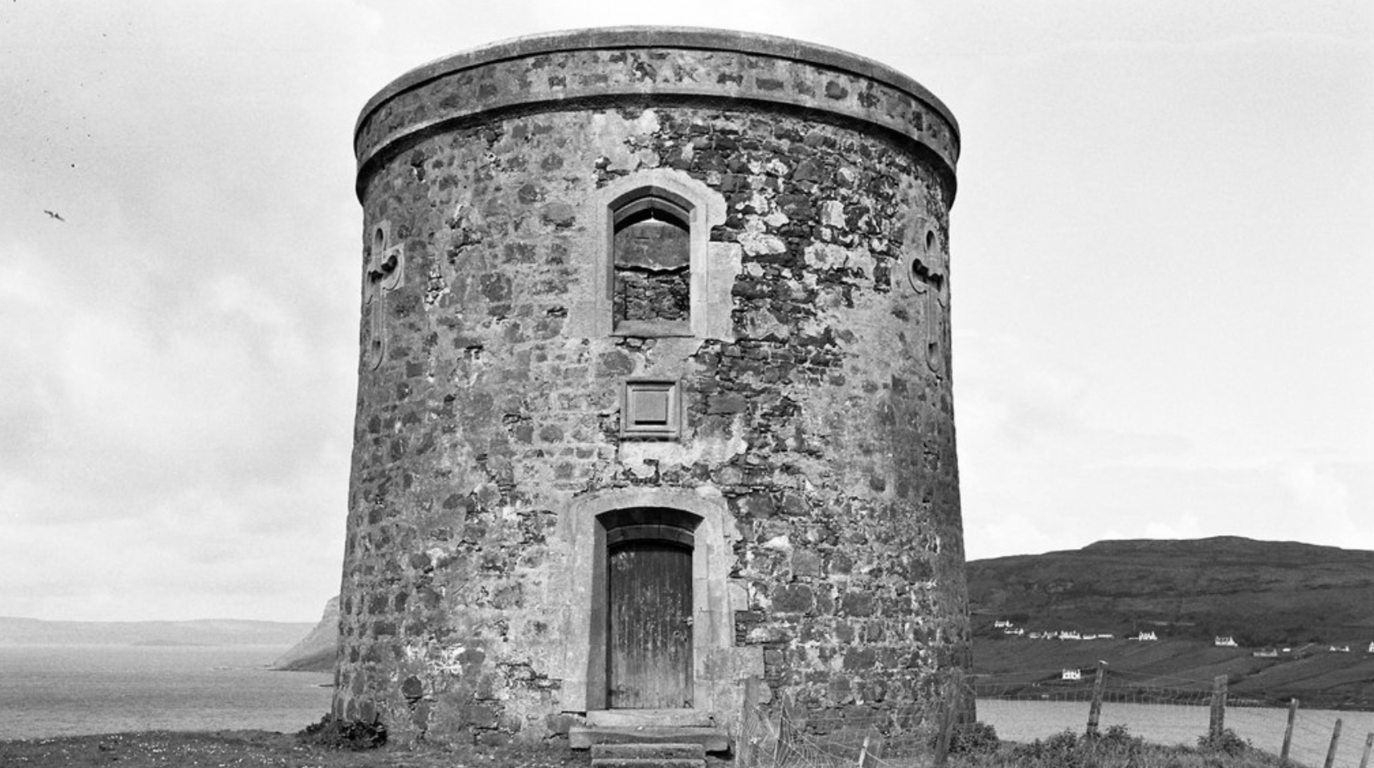
The flood of 1877 was one of the most cataclysmic events in the history of the north end of Skye. The flood destroyed the bridge over the River Conon and disinterred so many bodies from the Free Church of Scotland cemetary that they were being fished out of Uig Bay for weeks after the flood. Many of the bodies came to rest in the ruins of Uig Lodge. The Lodge was built by Captain Fraser. He was the local landowner and was not much loved in the communities of the north end of Skye. The flood destroyed Uig Lodge and left his land awash in body parts.
We want to use the 150th anniversary of the flood in Uig as the starting point for a cutural project that encompasses a number of different goals:-
a. Uncover existing stories of the flood that are still alive within the local community and capture them with the help of the Skye & Lochalsh Archive Centre.
b. Create an exhibition that uses the flood to explore multiple relevant themes. The exhibition will be held in Uig Community Hall and travel around local schools.
c. Create lasting installations in the woodlands around Uig that bring to life stories of the flood in the local landscape.
d. Work with local artists to use stories of the flood to inspire new artwork in Gaelic and English that is grounded in the relisience of the local community that survived the flood.
d. Work with Radio Skye and the West Highland Free press to feature the stories we uncover and the new artistic work that we inspire.
2. Why is your project important for your community?
There are stories from the flood that are still alive in the community...for now. We want to capture those stories while the older generation in the community are still alive, but also use those stories to build a new narrative for Uig that looks to the future for younger generations as well as drawing from the past. The stories from the period of the flood connect to many themes that are still relevant today, from land ownership, usage and stewardship to climate change and disaster preparedness. This project is also a chance to bring together the older local residents in Uig and build connections between them and newer residents to confirm a sense of shared identity that can live into the future.
The Uig flood is a story that profoundly rooted in Uig as a place. Our hope is that the project can create a legacy that will inform our future as one united community.
3. What positive impact will your project have?
a. The project will provide new source material for the Skye & Lochalsh Archive Centre that can be captured while stories of the flood remain (almost) within living memory.
b. The project will attract visitors to the exhibition in the village hall.
c. The project will engage local schoolchildren with stories that are rooted in their sense of place.
d. The project will create an artistic legacy that lives in the landscape around Uig that shaped the flood and was shaped by the flood.
e. The project will result in new creative artwork in Gaelic and English that will help to create a new narrative for the future of the community.
f. The project will bring people together to uncover and share stories from the last 150 years, enhancing social cohesion.
4. What key milestones have your achieved so far and what will your next steps be?
We're at the start of a project that can actively run for 2-3 years and create a legacy that lasts beyond that. We've started to build a working group for the project that includes the Skye & Lochalsh Archive Centre, the Uig Community Hall Trust, the Uig Community Trust, Atlas Arts and some of the leading Gaelic musicians on Skye. We've also had positive discussions with potential funders including Creative Scotland, Community Land Scotland, the National Lottery and others. The feedback from all of our initial conversations has been universally positive.
The next step is to shape the project in more detail and to scope the initial range of outcomes we hope to achieve, without cutting off the potential for the project to grow in unexpected, but creative directions. Thereafter we'll start the process of applying for funding.
5. What is your anticipated start date/end date?
The project will run in distinct phases:-
Phase 1 - Story Archeology - July to September 2026
Work with a historical researcher to uncover existing stories from archival material to inspire community engagement.
Phase 2 - Community Outreach - October 2026 to March 2027
October 2026 is one year from the anniversary of the flood. We'll stage a community event to begin collecting local stories, using archival material as the source of information and inspiration.
Phase 3 - April 2027 to June 2027 - Artistic response
We'll work with local artists to create new work, inspired by the local stories that we've collected and shared.
Phase 4 - July 2027 to September 2027 - Exhibition preparation
We'll bring together old and new stories to form an exhibition that will launch on the 150th anniversary of the flood.
Phase 5 - October to December 2027 - Exhibition
The exhibition will start at Uig village hall, but then travel around local schools on Skye.
Phase 6 - January 2028 onwards - Legacy
Stories and elements of the exhibition will remain available to the public in the landscape around Uig, in the community hall, in the Skye and Lochalsh Archive Centre and in local media
.png)
Most voted