Creating two community paths in Caithness from early-stage development through to construction.
Estimated Cost
£0
Full Project Details & Description
The Association of Northern Trails Scotland (ANTS) - who also operate under the name of The John o’ Groats Trail (JOGT) - maintains, develops and promotes long distance walking in the Far North of Scotland. The Association is responsible for the John o' Groats Trail, which runs for 147 miles between Inverness and John O'Groats along the east coasts of Sutherland and Caithness, and through rural Easter Ross and is also developing the North Coast Trail (long distance walking route from John o'Groats to Cape Wrath. We have recently starting working with inland communities after being approached to support community paths development in Caithness.
We will be seeking funding to support the development of two community paths in Caithness, taking them from the early planning stages through to construction.
The Halkirk–Sibster Link, an off-road path connecting Halkirk with Sibster, including a new bridge crossing.
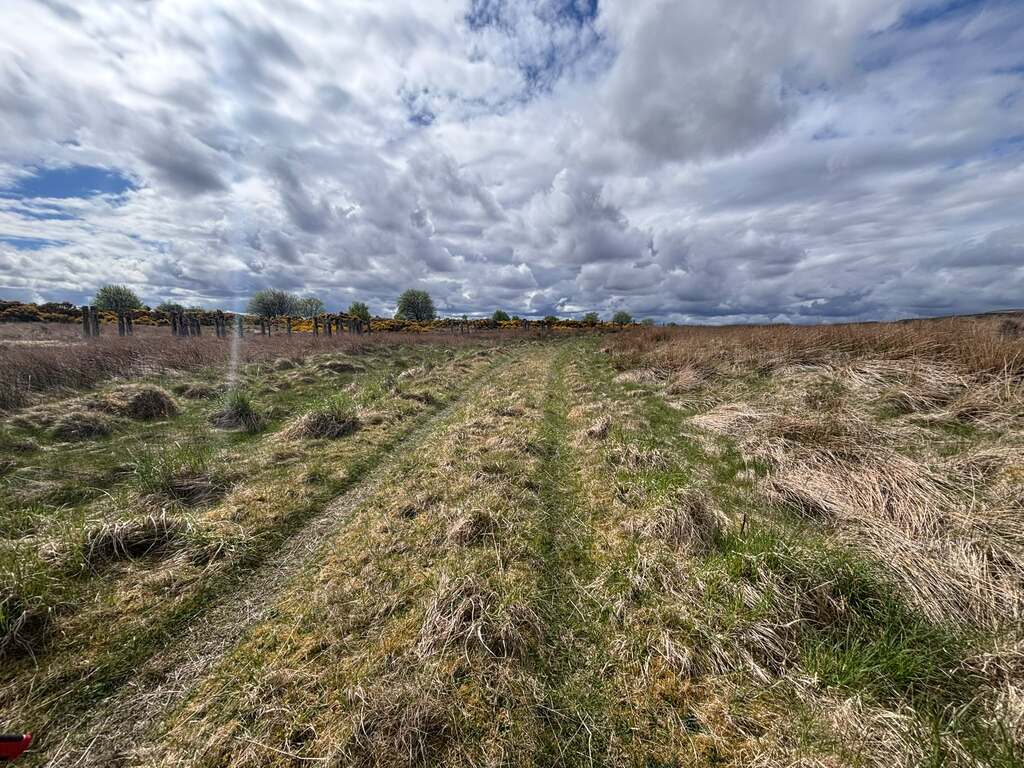
The Scotscalder Path, reinstating a historic track linking Scotscalder to Dorrery Hill.
The activities we will need funding for include:
Engineering and design, including a bridge site assessment, waterway assessment, planning drawings, and detailed design and tender documents.
Planning application and fees, plus a flood assessment if the council requires one.
Construction of the paths and the bridge, including ramps so they're accessible to as many people as possible.
Securing funding for additional staff time to carry the projects through to delivery. The project already has a part-time project worker funded until autumn 2027, but more capacity will be needed for the engineering, consents and construction phases.
We're at an early stage and don't yet have final costs. Indicative figures from our consulting engineer put the engineering and planning stages at roughly £6,300 to £7,800 ex VAT, depending on whether a flood assessment is needed. We'll firm up costs, including construction, once routes are agreed.
Right now there's very little safe, off-road walking and wheeling for people in and around Halkirk and Scotscalder. These paths would give local people a safe, traffic-free way to get around, be active and enjoy the landscape, and would help to link communities that are currently separated by busy roads, farmland and water.
They fit squarely with the active travel priorities in the Caithness Area Place Plan. Good local paths also help visitors discover and stay in the area, which brings spending to local businesses. The plan highlights the need for walking and cycling links between villages, both to connect communities and to offer safe, attractive routes to work, exercise, tourism and school. Local people also asked for paths that keep non-motorised users off the road. Caithness scored joint lowest in Highland for walking, wheeling and cycling in the Place Standard survey, so the need is well evidenced. People told the plan's engagement that access to the coast and countryside matters for their mental health and wellbeing. The plan also lists enabling access to the countryside, including better disabled access, as a theme. The plan wants to make more of what Caithness has to offer, and well-kept local paths help us do that. The plan recognises the role of voluntary effort in maintaining routes.
The positive impacts our project will have include:
Safer, accessible off-road routes for walking.
Better health and wellbeing through more opportunities to be active outdoors.
Stronger links between Halkirk, Sibster and Scotscalder, and renewed use of a historic track.
A lasting community asset, designed with landowners and local people and built to last. A galvanised steel bridge, for example, was recommended by our engineer as the most durable option.
Local jobs and spend through contractors and the project officer post, and a boost for visitors and local businesses.
A model of working with landowners, grazings committees and the council that could help other community path projects.
Since late April 2026 we've met the key landowners, community grazings members, panel members and local contacts for both paths. We've met Highland Council to talk about their role in supporting the paths, including the possibility of them acting as guarantors, and we've built a relationship with Forestry and Land Scotland. We've now held the first Scotscalder Grazing Committee meeting in over eight years. A thorough review of the project history and documents is complete, site visits have been done, and we've had initial professional advice from a consulting engineer on the bridge, including flood risk, abutment design and accessibility. A full project plan and business case are the next stage. Progress is good but not yet complete. At Scotscalder, the grazings committee has given consent for the track from 8 of the 10 shares, and we're working with the remaining shareholders. On the Sibster/Halkirk side, one key landowner has given verbal approval for a route, and we're continuing talks about the remaining sections, including options for access through actively farmed land, options for compensation or community owenrship. We have indicative engineering costs and are seeking comparison quotes.
We currently have funding from the ABH Panel and the Halkirk District Benefit Fund for a part-time project worker, in place until autumn 2027. That has allowed us to get the early development work done, and we will be looking for funding to take the projects forward. Part of that work will be securing further funding for more staff time.
Our next steps are to secure the remaining consents and agree a preferred Halkirk route, then obtain formal quotes, seek letters of support, appoint the engineer for site and waterway assessments and design, and submit the planning application.
.png)
Most voted